Loading...
An uninsulated basement drains heat all winter. We insulate foundation walls and rim joists to stop that loss and make your whole home more comfortable.
Basement insulation in Bettendorf creates a thermal barrier along foundation walls and the rim joist, slowing heat from escaping through the bottom of your home - most unfinished basement jobs are complete in a single day.
Bettendorf winters run from October through April, and an uninsulated basement is one of the most common reasons homes stay cold even with the furnace running. Foundation walls and the rim joist - the framing that sits right on top of your foundation - are two of the biggest sources of heat loss in older homes. Getting them insulated properly makes a noticeable difference in comfort and in your monthly gas bill.
Many Bettendorf homeowners who schedule basement insulation also ask about crawl space insulation at the same time - if your home has both a basement and a crawl space, addressing them together is the most efficient approach.
If your gas or electric bill jumps sharply when cold weather arrives and stays high through March, heat is escaping somewhere. The basement is one of the most common culprits. Bettendorf's long heating season makes this pattern easy to spot on your utility statements, and it is a strong signal that your foundation walls or rim joist are not doing their job.
Walk across your kitchen or living room floor on a January morning. If it feels noticeably cold underfoot despite your furnace running, heat is likely escaping through an uninsulated basement ceiling. This is one of the most common complaints from homeowners in older Bettendorf neighborhoods where basement insulation was never installed.
Bettendorf's proximity to the Mississippi River means summer humidity levels can be high, and basements here are prone to sweating walls and musty odors. Persistent dampness is a sign that your basement's thermal performance is poor. Insulation, done correctly after any moisture issues are resolved, can help stabilize conditions.
Stand near the top of your basement walls in winter and hold your hand near the framing. If you feel cold air moving, the rim joist area is uninsulated or has gaps. This is one of the most overlooked heat-loss spots in Midwest homes, and it is almost always worth fixing before another winter passes.
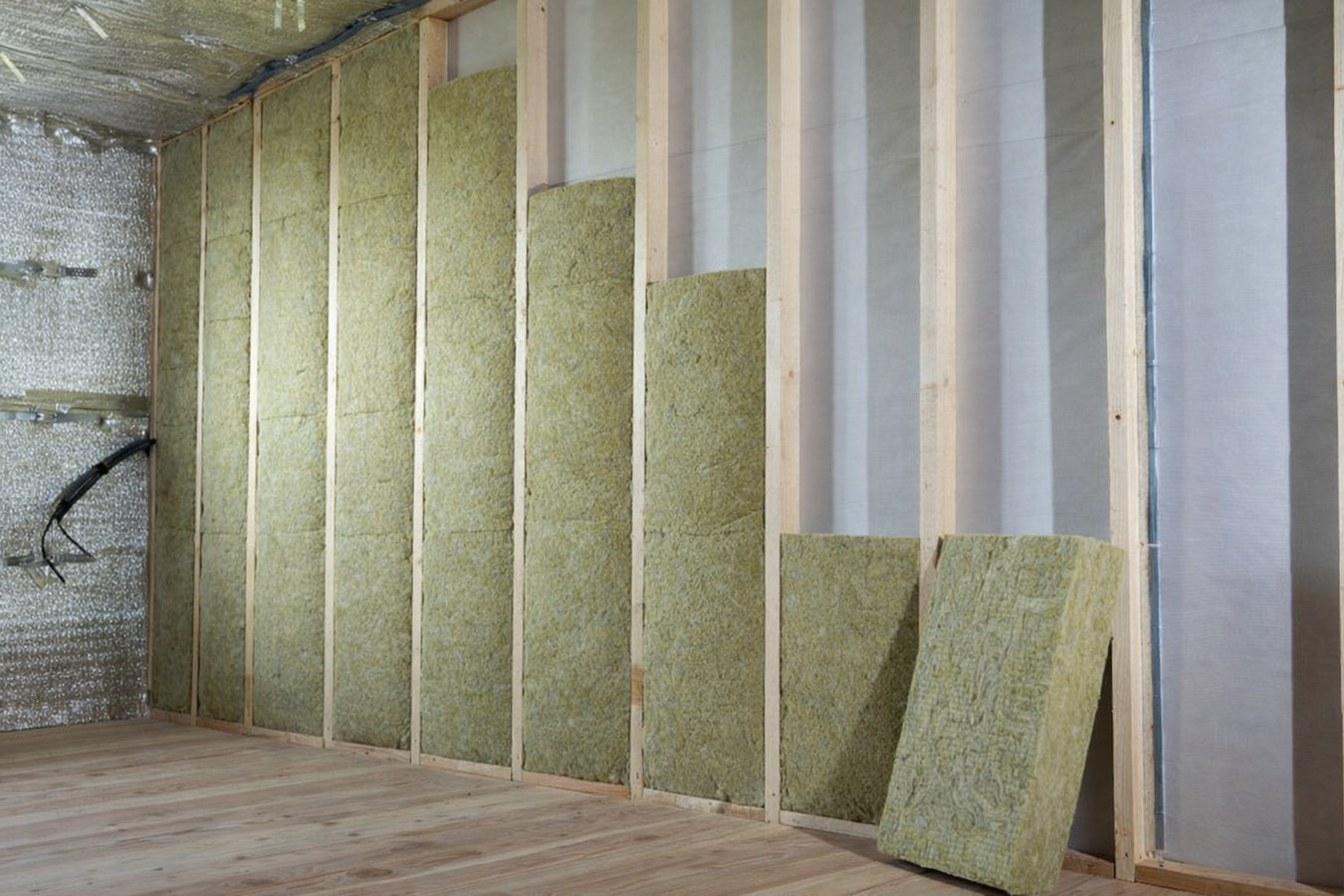
We insulate basement walls, rim joists, and basement ceilings using fiberglass batts, rigid foam board, and spray foam depending on what the space calls for. Rim joist insulation is included in every basement job - that framing at the top of your foundation is where a large share of basement heat loss happens, and skipping it undermines the rest of the work. For finished basements or spaces being converted to living areas, we assess what is already behind the walls before recommending a method.
When a basement has air leakage that goes beyond what batt insulation can address, we pair the work with closed-cell foam insulation at the rim joist and along the foundation walls for a tighter, more moisture-resistant result. Every project starts with a written estimate that names the method, coverage area, and total cost before any work begins.
Best for unfinished basements where walls are exposed and the full depth of the foundation is accessible.
Right for any basement project - this framing area is the single biggest source of cold air infiltration at the foundation level.
A good fit when the basement is used for storage or utilities and keeping the living space above warm is the priority.
For homeowners who suspect insulation is missing behind existing drywall and want a professional evaluation before deciding next steps.
A large share of Bettendorf's residential neighborhoods were built in the mid-20th century, and many of those homes have basements with little or no insulation in the walls or the framing at the top of the foundation. Bettendorf winters are long - temperatures regularly drop well below freezing from November through February, and heating season can stretch from October through April. That means an under-insulated basement is not just uncomfortable - it is costing you real money every single month for half the year, and the payback on fixing it is faster here than it would be in a milder climate. Clay-heavy soil in the Quad Cities area also means water pools around foundations more readily after heavy rain, which is another reason moisture assessment before insulating is a standard part of every job we do.
Homeowners across the river in Moline and south in Muscatine face the same climate conditions. MidAmerican Energy, which serves much of the Quad Cities area, offers rebates for qualifying insulation projects - ask about eligibility when you request your estimate. The federal tax credit for insulation covers up to 30 percent of qualifying material costs for existing homes as well.
We ask a few basic questions - basement size, whether it is finished or unfinished, and whether you have had any moisture issues. We respond within 1 business day and schedule an estimate visit at a time that works for you.
A technician walks through your basement, checks the walls, rim joist, and any existing insulation, and looks for moisture signs that need to be addressed first. You receive a written estimate naming the method, coverage area, and total cost - no surprises.
If your project requires a building permit through the City of Bettendorf, we handle the application. You will know before work starts whether a permit is part of the plan - permitted work is inspected and on record, which protects you when you sell.
Most unfinished basement jobs are done in a single day. Before the crew leaves, we walk you through the completed work so you can see exactly what was done and ask any questions. The work area is cleaned up before we go.
We respond within 1 business day. There is no obligation after your estimate. After you submit, someone from our office calls to schedule a free on-site assessment at a time that works for you.
(563) 206-5388Every basement job comes with a written estimate that names the walls being insulated, the material going in, and the total cost. You know what you are paying for before the crew shows up - and we do not add charges at the end for work you did not agree to.
The rim joist - the framing that sits on top of your foundation - is the most commonly missed spot in basement insulation work. We include it in every project because skipping it leaves one of the biggest heat-loss areas in older Bettendorf homes completely unaddressed.
Bettendorf's proximity to the Mississippi River means basements here face real humidity and occasional water intrusion. We check for moisture during every assessment visit and will tell you honestly if something needs to be resolved first. Insulating over a moisture problem is worse than not insulating at all.
When a permit is required through the City of Bettendorf, we handle the application. The North American Insulation Manufacturers Association sets the installation standards our work follows. Permitted and inspected work is documented, which protects you at resale and with your insurance carrier.
Older Bettendorf homes respond well to basement insulation precisely because the cavities are often empty - when material goes in for the first time, the difference in comfort and heating cost is immediate. We walk through the finished work with you before we leave so you can verify what was done with your own eyes.
High-density spray foam that seals rim joists and foundation walls while blocking moisture - a strong pairing with basement insulation in older homes.
Learn moreIf your home has a crawl space alongside the basement, insulating both together delivers the most complete thermal barrier at the foundation level.
Learn moreBettendorf's heating season is long - the sooner your basement is insulated, the sooner you start seeing it in your energy bills. Call or request a free estimate now.