
Loading...
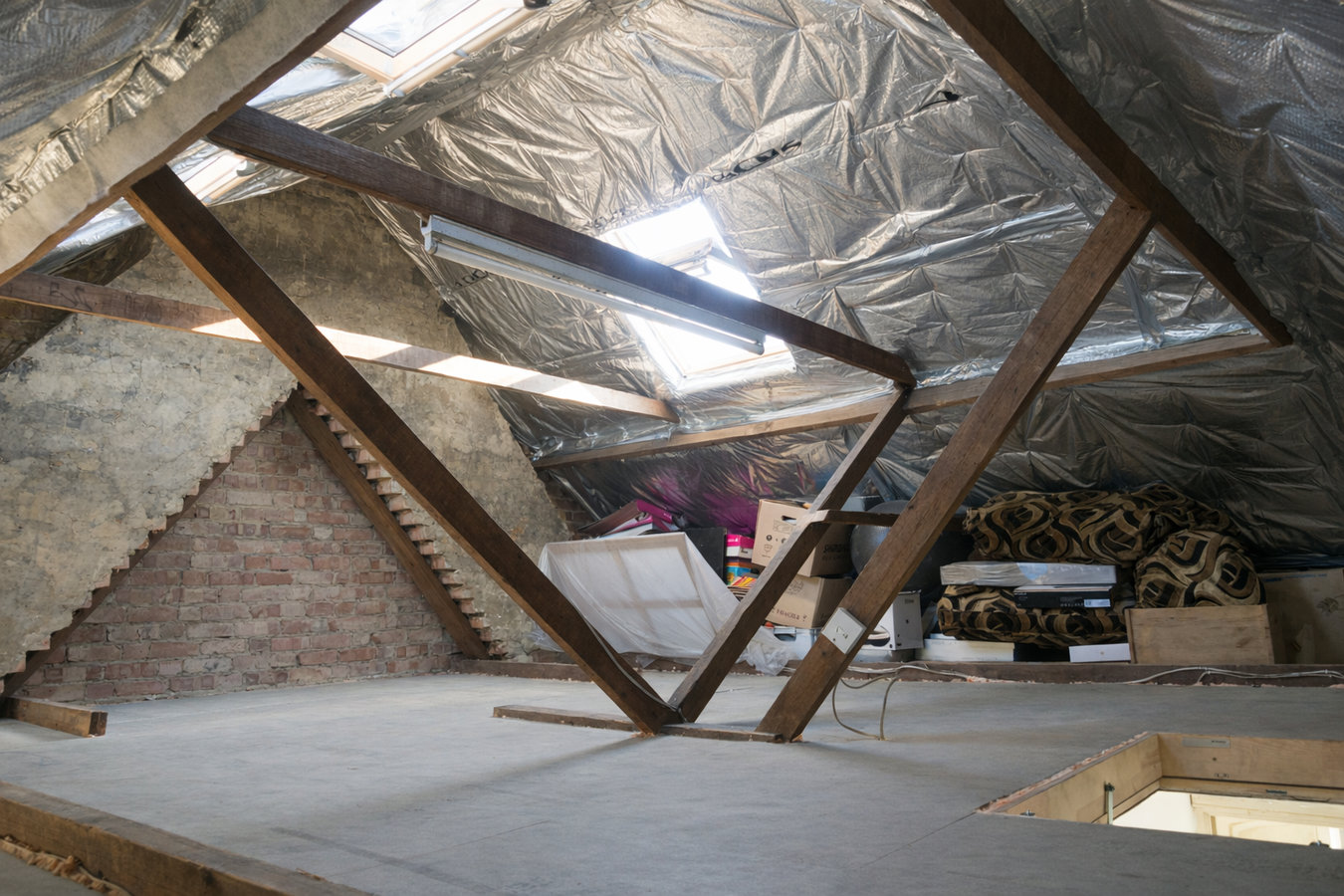
Bettendorf Insulation delivers insulation contractor services to Muscatine, IA - attic insulation, blown-in insulation, and crawl space insulation - with experienced crews who have worked on the older wood-frame and Victorian homes along the river corridor since 2024.
Most of the older homes in Muscatine - including the Victorian and early 20th-century houses near downtown - were built well before attic insulation standards made R-49 to R-60 the target for Iowa homes. When the attic falls short, every dollar of heating you pay for in January works against a house that is actively losing heat through the ceiling. Our attic insulation service gets Muscatine homes to the right depth - and that improvement in energy bills usually pays for itself within a few years.
Blown-in loose fill is an ideal solution for Muscatine attics where some insulation already exists but has settled or thinned over the decades. The material fills around irregular framing and covers the whole floor evenly - something that batts alone cannot always do in older homes with non-standard joist spacing. A blown-in top-off is typically done in a few hours without any major disruption to the household.
Muscatine sits on the Mississippi River, and the moisture that comes with that location does not stop at the foundation wall. Uninsulated crawl spaces in Muscatine homes collect humidity in the summer and cold air in the winter, and both conditions affect the floors above them. Sealing and insulating the crawl space is one of the most effective ways to deal with cold floors in winter and the musty smell that comes from unchecked moisture underneath the house.
For Muscatine homes in low-lying areas near the river, a vapor barrier in the crawl space is not optional - it is the difference between a dry, stable subfloor and one that is slowly being damaged by moisture year after year. Spring snowmelt combined with heavy Iowa rains can push groundwater against foundations and into crawl spaces, and a properly installed barrier stops that moisture before it reaches the wood framing above.
The older wood-frame homes near downtown Muscatine have accumulated gaps around pipes, wires, and wall plates over a century of settling. Insulation slows the movement of heat, but air leaks bypass it entirely - and in an Iowa winter, those leaks are felt immediately. Sealing the air pathways before or during insulation installation makes a measurable difference in how comfortable the home feels after the work is done.
Muscatine has two distinct insulation challenges that come from the same geography. The first is the cold: Iowa winters freeze the ground hard every year, with January lows regularly in the mid-teens and frost depth reaching 30 to 40 inches or more. The Department of Energy assigns this region to Climate Zone 5, which calls for R-49 to R-60 in the attic - a target that the majority of Muscatine homes built before 1990 do not meet. When a home falls short of that depth, the heating system runs longer than it should, and the upstairs rooms are the ones that feel it most.
The second challenge is moisture. Muscatine sits directly on the Mississippi River, and the humidity that comes with that location works against insulation in crawl spaces and basements. Parts of the city near the waterfront have experienced flooding, and even homes that have never flooded can deal with groundwater pressure against foundations after a wet spring. For a contractor working in Muscatine, thinking about moisture alongside thermal performance is not optional - it is part of doing the job right. High summer humidity also puts stress on exterior paint and wood siding, and an attic that is not properly vented and sealed can develop moisture problems from the inside during humid months.
Our crew works regularly on the older wood-frame homes that fill the neighborhoods near downtown Muscatine - the same streets where the Victorian and early 20th-century houses built during the city's pearl button manufacturing era still stand today. These homes are different from newer construction in ways that matter: original plaster walls, non-standard framing, and attic spaces that sometimes have multiple layers of old insulation material laid at different times over the decades. We come to each job knowing what to expect rather than being surprised by it. For projects that require city permits, we work with the City of Muscatine to ensure the work is properly documented.
Muscatine runs along the Mississippi River south of the Quad Cities, with US-61 as the main north-south corridor through town. The Muscatine Riverfront is a central reference point for the city - homes near it tend to be older and lower-lying, while newer subdivisions extend north and west toward the edges of town. The Muscatine Art Center is a landmark in one of the city's more historic residential neighborhoods, where the homes we work on most often are located.
We serve homeowners across the Iowa side of the river corridor. If you have neighbors or family in Clinton, IA up the river or in Bettendorf, IA to the north who need the same work, we are already covering that stretch of the river.
We ask a few questions - your home's age, what you have noticed that prompted the call, and which area you want addressed. This takes about five minutes and lets us send the right crew with the right equipment. We respond within 1 business day.
A technician comes to your Muscatine home and looks at the actual space - measuring existing insulation depth, checking for moisture or ventilation issues, and noting any air sealing that should happen before new material goes in. For older homes, this step often surfaces details that change the scope of the work. You get a written estimate before any work is booked, with no obligation to proceed.
Most attic blown-in jobs in Muscatine are done in three to six hours. The crew lays down protective coverings, seals air penetrations first if that is part of the scope, then blows in insulation to the recommended depth. You do not need to leave your home during the work.
Once the work is done, the crew cleans up and walks you through the result - including photos of the finished attic if you prefer not to climb up yourself. They confirm the attic ventilation is clear and explain what depth was achieved. Your home is fully usable the moment we leave.
We serve all of Muscatine - older riverfront homes and newer north-side builds alike. Honest assessment, written quote, no pressure.
(563) 206-5388Muscatine is a city of roughly 22,000 to 23,000 people on the banks of the Mississippi River in eastern Iowa, about 30 miles south of the Quad Cities. The city built its identity on the pearl button industry - for several decades in the late 1800s and early 1900s, Muscatine produced a large share of the world's buttons from Mississippi River mussel shells. That industrial boom built the neighborhoods and homes that still define the older parts of the city - Victorian-era houses, early 20th-century wood-frame homes, and brick structures that went up during the height of the factory era. Today those same homes are occupied mostly by long-term owner-residents who have a real interest in keeping them in good shape.
The city has two distinct residential zones: the older neighborhoods close to downtown and the riverfront, with smaller lots, mature trees, and homes that are often 80 to 100 years old, and the newer subdivisions on the north and west edges of the city where ranch-style and split-level homes from the 1980s through 2000s sit on larger lots. Residents of Davenport, IA and other Quad Cities communities often pass through Muscatine on US-61, and the two areas share a similar housing age profile along the river corridor.
High-performance spray foam that seals and insulates in one step for maximum energy efficiency.
Learn moreKeep your home comfortable year-round with professional attic insulation installation.
Learn moreLoose-fill insulation blown into walls, attics, and cavities for complete, even coverage.
Learn moreWhole-home insulation solutions designed to reduce energy bills and improve comfort.
Learn moreSafe and thorough removal of old, damaged, or contaminated insulation from any area.
Learn moreInsulate your crawl space to prevent moisture, mold, and energy loss from below.
Learn moreRetrofit wall insulation improves thermal performance without major renovation.
Learn moreEliminate drafts and air leaks that undermine your insulation and raise energy costs.
Learn moreProperly insulated basements stay drier, warmer, and more energy-efficient all year.
Learn moreDense, rigid closed-cell foam delivers the highest R-value per inch and a vapor barrier.
Learn moreLightweight open-cell foam fills irregular cavities and provides excellent sound dampening.
Learn moreCommercial-grade insulation for offices, warehouses, and industrial facilities of any size.
Learn moreHeavy-duty vapor barriers block ground moisture and protect your crawl space structure.
Learn moreProfessional vapor barrier installation prevents condensation damage in walls and floors.
Learn moreSeal attic bypasses to stop conditioned air from escaping and unconditioned air from entering.
Learn moreAdd insulation to existing homes with minimal disruption using retrofit-friendly methods.
Learn moreCall Bettendorf Insulation or request a free estimate online. We know the older river-corridor homes here and we bring the right approach to every job.