Loading...
Older Bettendorf homes lose heat through thin or missing insulation. We add material without tearing out walls so you stay warmer and spend less every winter.
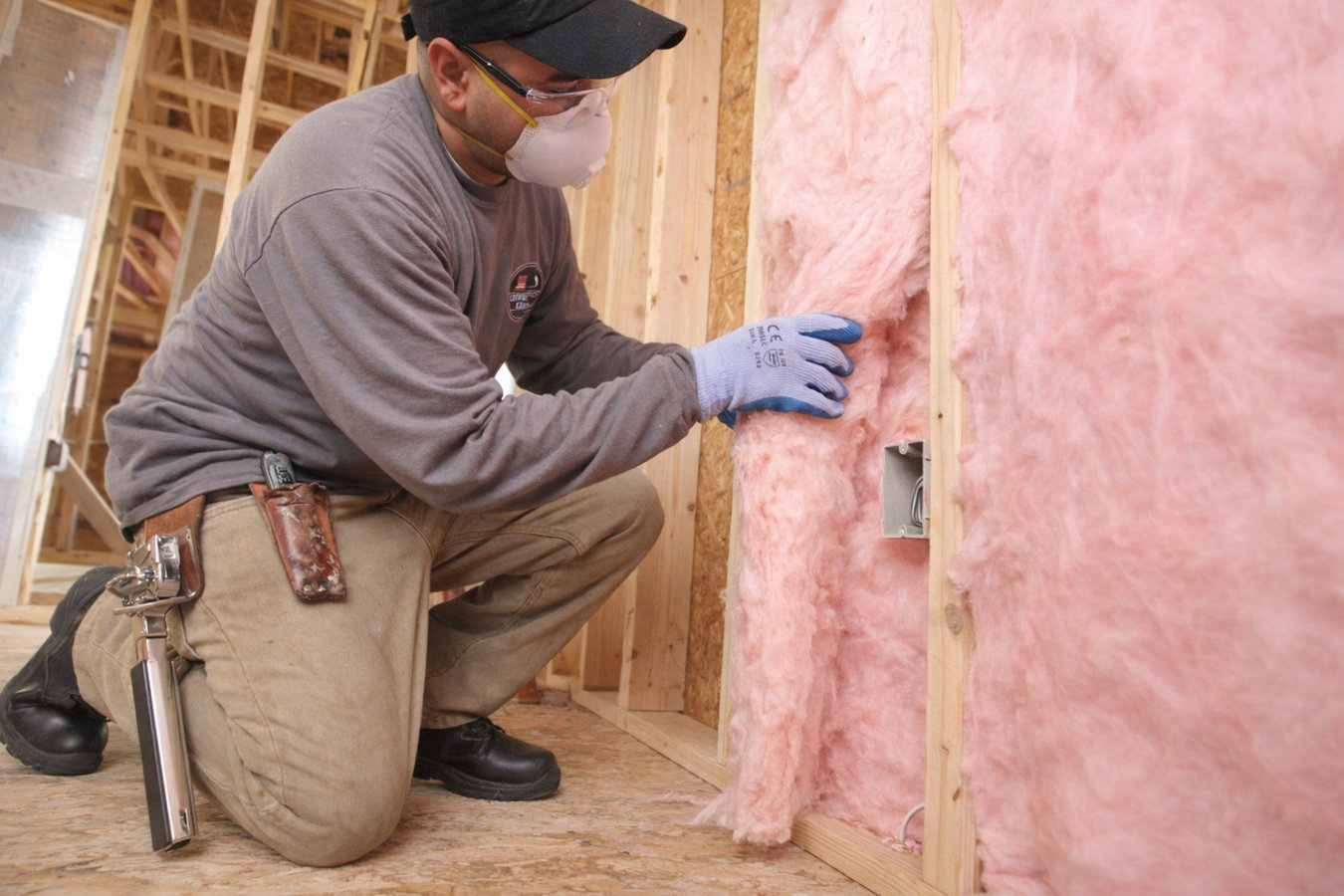
Retrofit insulation in Bettendorf means adding insulation to a home that is already built - contractors blow or inject material into attic floors, wall cavities, and crawl spaces through small openings, then seal everything back up - most attic jobs are done in a single day with no major disruption.
Much of Bettendorf's residential development happened in the 1950s through 1980s, when insulation requirements were far less demanding than they are today. Many of these homes have original insulation that has never been updated - or wall cavities that were left empty entirely. Over time, even material that was adequate when installed can settle, compress, or absorb moisture and lose its effectiveness. If your home was built during that era and you have never had insulation added, there is a good chance you are losing a meaningful amount of heated air every day through November and March.
Retrofit insulation works best when combined with home insulation planning that covers every area of the envelope - attic, walls, and crawl space - so you are not fixing one area while leaving another wide open to heat loss.
If your gas bill climbs sharply from November through March and stays high even when you keep the thermostat at a reasonable setting, your home is likely losing heat faster than your furnace can replace it. In Bettendorf's climate, where heating season is long and temperatures can drop well below zero, a poorly insulated home forces the furnace to run almost constantly. That is not a furnace problem - it is an insulation problem.
If the bedroom at the end of the hall is freezing in January while the living room is fine, or one room turns into a sauna every summer, uneven insulation is often the cause. Heat moves toward cold and finds the path of least resistance - usually through walls or ceilings that do not have enough material to slow it down. This is one of the most common complaints from homeowners in older Bettendorf neighborhoods.
Hold your hand near an electrical outlet on an exterior wall on a cold day. If you feel moving air, your wall cavity may be empty or nearly empty. Drafts along baseboards or around window frames are another sign that air is moving freely through the home's envelope. These are things you can check yourself before ever calling a contractor.
Ice dams - those ridges of ice that build up along your roofline - are a classic sign that heat is escaping through your attic and melting snow unevenly. When that water refreezes at the cold eaves, it can back up under shingles and cause interior water damage. Bettendorf homeowners who saw ice dams last winter should treat it as a direct signal that attic insulation needs attention before the next cold season.
We retrofit insulation across attics, wall cavities, crawl spaces, and basement rim joists. Attic work is typically the highest-return starting point because heat rises and a thin or gap-ridden attic floor is the path of least resistance for the heated air you paid for. For wall cavities, we drill small holes in the exterior or interior, inject dense-pack material, and patch the openings - the finished result is nearly invisible. We also pair retrofit work with spray foam insulation at rim joists and crawl space walls where moisture resistance is as important as thermal performance.
Every job starts with a moisture inspection before any new material goes in - piling insulation on top of a moisture problem traps the damage and makes it worse. We provide full documentation of materials installed, which you will need for MidAmerican Energy rebate applications and the federal tax credit available through 2032. The U.S. Department of Energy recommends that attics in Climate Zone 5 like Bettendorf reach a minimum of R-49 to R-60 - we size every attic job to hit or exceed that range.
Best for homes where the attic floor is the primary heat loss point and ceiling joists are visible above existing material.
Right for older homes with empty or under-filled exterior walls where drafts near outlets and baseboards are noticeable.
Addresses cold floors and moisture infiltration in homes with vented or unfinished crawl spaces below living areas.
Targeted fix for the framing gap at the top of the foundation wall - a common source of cold air in Bettendorf basements.
Bettendorf winters are long and the heating season runs from roughly October through April. That means your insulation is working hard for nearly half the year, and any thin spots or gaps translate directly into higher gas bills. A large share of Bettendorf's housing was built in the 1950s through 1980s - a period when insulation requirements were far less demanding than they are now. Many homes from that era have wall cavities that were left empty entirely, and original attic material that has settled significantly over the decades. A quick check in your attic tells the story: if you can see the ceiling joists clearly, you need more insulation.
Bettendorf's location along the Mississippi River means summer humidity is consistently high, and that moisture can work its way into attics and crawl spaces if the insulation and air sealing are not right. Homeowners in Muscatine and Clinton along the Iowa river corridor deal with the same combination of cold winters and river humidity. A contractor working in this region should inspect for moisture before adding any new material - skipping that step is a red flag.
We ask a few basic questions - your home's age, which areas concern you, and whether you have noticed high bills or drafts. This helps us come prepared and gives you a realistic sense of scope before anyone visits. We respond within 1 business day.
A good contractor walks through your home, checks the attic, looks at any crawl space, and assesses current insulation levels and condition. We are also looking for moisture and air leaks that need to be addressed before new insulation goes in - skipping this step leads to problems down the road.
After the assessment you receive a written estimate breaking down what areas will be treated, what materials will be used, and the total cost. We also flag whether your project qualifies for MidAmerican Energy rebates or the federal tax credit and what documentation we will provide. You are never pressured to sign on the spot.
The crew arrives with blowing or injection equipment and protects your floors and furniture near the work area. Most attic jobs take two to four hours. When done, the crew cleans up and you receive a written summary of every area treated and every material installed - the paperwork you need for rebate applications and tax filings.
We respond within 1 business day. No obligation after your free estimate. After you submit, someone from our team calls to schedule an in-home assessment at a time that works for you.
(563) 206-5388We work on homes across Bettendorf - from the older brick houses near the river to the newer subdivisions on the north side of the city. We know the housing stock, the climate, and what each type of home actually needs, which is not something a contractor from two hours away can replicate.
We inspect your attic and crawl space for moisture and air leaks before adding any new material. Piling insulation on top of a moisture problem traps the damage and turns a $1,500 upgrade into a much larger repair. This step is non-negotiable on every job we take.
MidAmerican Energy rebates and the federal tax credit through 2032 are real money for Bettendorf homeowners - but only if the documentation is right. We provide a written summary of every material installed so you have what you need to file both programs correctly.
Every estimate specifies which areas will be treated, what materials will be used, and the total cost. If anything changes during the job, we communicate with you before proceeding. You should never be handed a higher bill than what you approved.
Retrofit insulation is a long-term investment that can last 20 to 30 years when done correctly. The ENERGY STAR Seal and Insulate program sets clear performance standards for this kind of work, and every job we complete is held to that benchmark.
When blown-in material is not the right fit for tight spaces or moisture-prone areas, spray foam seals and insulates in a single application.
Learn moreA whole-home insulation assessment that looks at every area of the envelope - attic, walls, and crawl space - and prioritizes where the biggest improvements come from.
Learn moreBettendorf winters are long - the sooner your home is properly insulated, the more of this heating season you save. Call today for a free estimate.