Loading...
Bettendorf Insulation brings insulation contractor services to East Moline, IL - wall insulation, blown-in insulation, and attic insulation - and has served Quad Cities homeowners with experienced crews who know older Illinois construction inside and out since 2024.
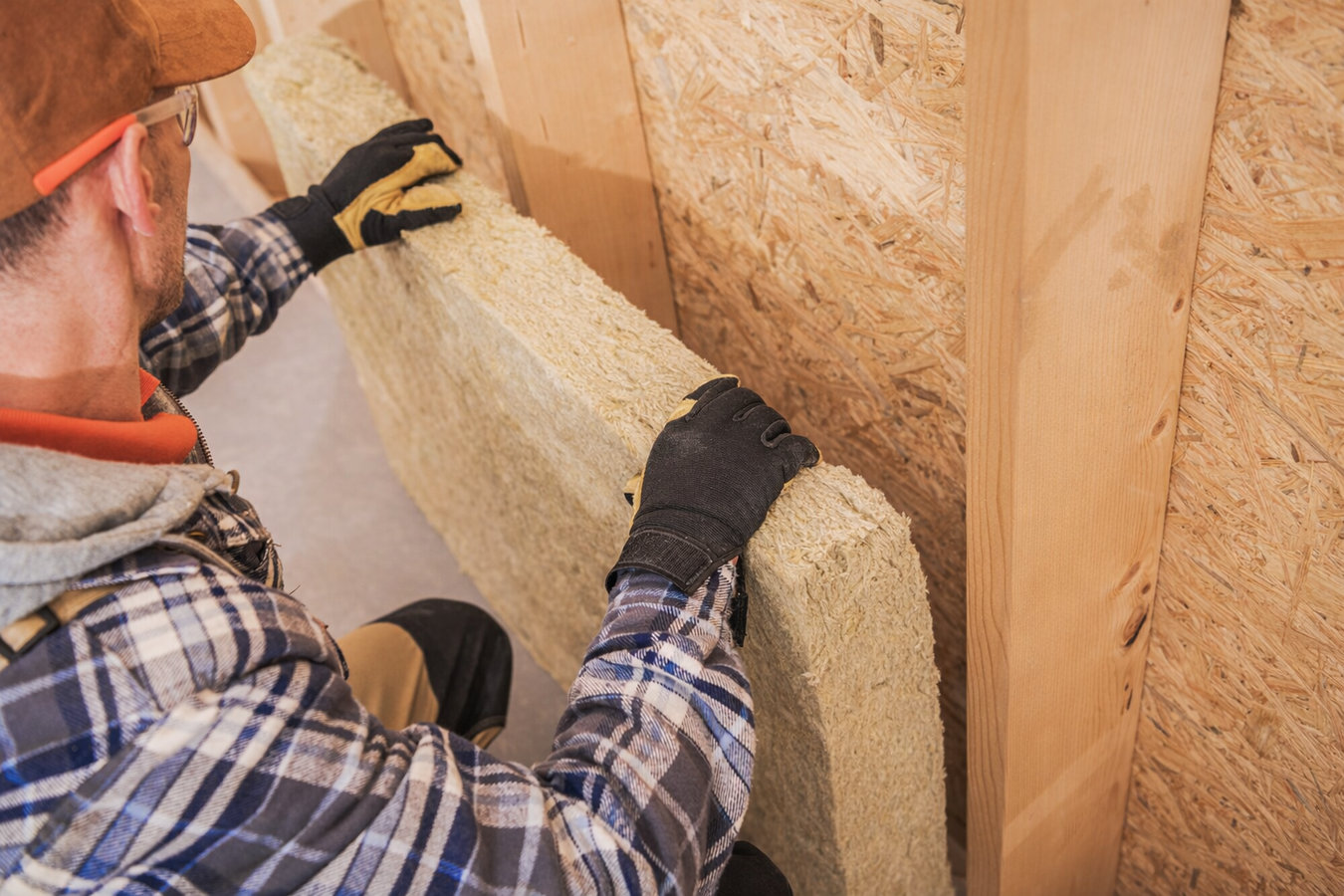
Most East Moline homes built in the 1920s through 1940s were framed without any insulation in the exterior walls - not by accident, but because it simply was not standard practice then. Today those same walls are the primary reason heating bills stay high no matter how much you adjust the thermostat. Our wall insulation service uses blown-in dense-pack to fill existing cavities without tearing out your interior walls - a one-day job that makes a lasting difference.
In East Moline, where January nights regularly drop below zero, an under-insulated attic can add hundreds of dollars to a winter heating bill. The Department of Energy recommends R-49 to R-60 for this climate zone, and most homes built before 1990 fall well short of that mark. Getting your attic to the right depth is usually the single highest-return insulation upgrade for older East Moline homes.
Blown-in loose fill works particularly well in East Moline attics where existing insulation has settled or been disturbed over the decades - the material flows around older framing and fills gaps that batts cannot reach. For homeowners who want to improve comfort without a major renovation, a blown-in top-off can be done in an afternoon with minimal disruption to the household.
The clay soil under many East Moline properties holds moisture after every heavy rain, and that moisture migrates upward into unprotected crawl spaces. Cold floors in winter and persistent musty odors are the two clearest signs that a crawl space needs attention. Sealing and insulating this space stops moisture from reaching the wood framing above it - protecting both comfort and the structure of the home.
Older East Moline homes - especially the craftsman bungalows and foursquares common in the city core - have decades of settled framing and accumulated gaps around pipes, wires, and wall plates that insulation alone cannot seal. Air sealing those paths before insulation is added is what separates a job that feels like a real improvement from one that produces only modest results. The two services work best together.
East Moline is a city where most of the housing was built during the manufacturing boom of the early 1900s - and a home built in 1925 was designed to keep people warm with a coal furnace and storm windows, not with the sealed, insulated envelope we expect today. The craftsman bungalows and two-story foursquares that fill the older neighborhoods have wall cavities that were framed without insulation and have been that way ever since. Add in Illinois winters where the frost can penetrate 30 to 40 inches into the ground and temperatures stay well below freezing for weeks at a time, and you have a situation where the building envelope simply cannot keep up. A contractor who has worked on homes like these knows that the approach is different from a newer suburban house - plaster walls, unusual framing patterns, and limited attic access all require experience, not just equipment.
The clay-heavy soil throughout Rock Island County is another factor that sets East Moline apart. Clay expands when wet and contracts when dry, creating ongoing movement beneath foundations and basement walls. Over time, that movement allows moisture pathways to open up into crawl spaces and basements - and moisture in those spaces drives up humidity inside the home, which works against insulation performance. A complete approach here means thinking about air sealing, vapor management, and crawl space conditions alongside the insulation itself.
Our crew regularly encounters the two distinct housing types that define East Moline - the older brick and wood-frame homes in the city core built from the 1910s through the 1950s, and the ranch and split-level homes that went up on the north and east edges of the city in the 1970s through 2000s. Each type has its own insulation profile, and knowing that before we arrive means we come prepared rather than working it out on the job. For work that requires permits, we coordinate with the City of East Moline to make sure the project is properly documented.
East Moline sits between Moline and the Mississippi River, with major routes like IL-92 and 7th Street running through the city. The John Deere Harvester Works has been a landmark here for generations, and the neighborhoods that grew up around it are exactly the housing stock we work in most often. The Illiniwek Forest Preserve stretches along the river to the north, and homeowners near that corridor tend to deal with more moisture in their crawl spaces and basements than those farther from the river.
We serve the full Quad Cities area on both sides of the river. Homeowners in Galesburg, IL to the south and Moline, IL next door are already on our schedule, so if neighbors or family in those cities need the same work, we are already in the area.
We ask a few questions about your home - its age, what is prompting your call, and which area you want addressed. This takes about five minutes and helps us come prepared to your appointment. We respond to all inquiries within 1 business day.
A technician visits your East Moline home and examines the actual spaces - walls, attic, crawl space, or basement. For older homes this step is especially important because the framing and materials are often different from what you would find in newer construction. You will receive a written estimate before any work is scheduled, with no obligation to proceed.
For blown-in wall work, the crew drills small holes along the exterior, fills each cavity completely, then patches and paints. Most East Moline homes take one full day. You do not need to leave - we protect your floors and interior surfaces throughout the job.
Once work is complete, the crew cleans up and walks you through what was done. We can show you photos of the finished attic or crawl space if you prefer not to go in yourself. There is no curing or drying time - your home is fully usable the moment we leave.
We serve the entire East Moline area - older in-city homes and newer north-side builds alike. No high-pressure sales. Just an honest assessment and a written quote.
(563) 206-5388East Moline is a city of roughly 21,000 people on the Illinois side of the Quad Cities, sitting along the Mississippi River in Rock Island County. The city grew fast in the early 1900s when manufacturing - particularly the agricultural equipment industry anchored by the area around the John Deere Harvester Works - brought waves of workers to the region. The housing that went up to accommodate that workforce still defines most of the city today: two-story foursquares, craftsman bungalows, and simple wood-frame or brick homes on narrow city lots, many of them built between 1910 and 1950. Over 60 percent of those homes are owner-occupied, which means most East Moline residents have a real stake in keeping their properties in good shape.
The city sits close to its Quad Cities neighbors - Moline is immediately to the west, and Rock Island, IL is a short drive south. The Illiniwek Forest Preserve lines the river to the north, giving the area a natural boundary and a well-used recreation corridor. The mix of older in-city homes and some newer development on the north end of the city means East Moline has two distinct housing profiles - and contractors working here regularly see both.
High-performance spray foam that seals and insulates in one step for maximum energy efficiency.
Learn moreKeep your home comfortable year-round with professional attic insulation installation.
Learn moreLoose-fill insulation blown into walls, attics, and cavities for complete, even coverage.
Learn moreWhole-home insulation solutions designed to reduce energy bills and improve comfort.
Learn moreSafe and thorough removal of old, damaged, or contaminated insulation from any area.
Learn moreInsulate your crawl space to prevent moisture, mold, and energy loss from below.
Learn moreRetrofit wall insulation improves thermal performance without major renovation.
Learn moreEliminate drafts and air leaks that undermine your insulation and raise energy costs.
Learn moreProperly insulated basements stay drier, warmer, and more energy-efficient all year.
Learn moreDense, rigid closed-cell foam delivers the highest R-value per inch and a vapor barrier.
Learn moreLightweight open-cell foam fills irregular cavities and provides excellent sound dampening.
Learn moreCommercial-grade insulation for offices, warehouses, and industrial facilities of any size.
Learn moreHeavy-duty vapor barriers block ground moisture and protect your crawl space structure.
Learn moreProfessional vapor barrier installation prevents condensation damage in walls and floors.
Learn moreSeal attic bypasses to stop conditioned air from escaping and unconditioned air from entering.
Learn moreAdd insulation to existing homes with minimal disruption using retrofit-friendly methods.
Learn moreCall Bettendorf Insulation today or submit a free estimate request. We know the older homes in this city and we know how to make them perform better.