Loading...
Bettendorf Insulation provides insulation contractor services in Cedar Rapids, IA - attic insulation, spray foam insulation, and crawl space insulation - and has served Cedar Rapids homeowners since 2024, working on pre-war brick homes near the river and postwar ranch houses across all four quadrants of the city.
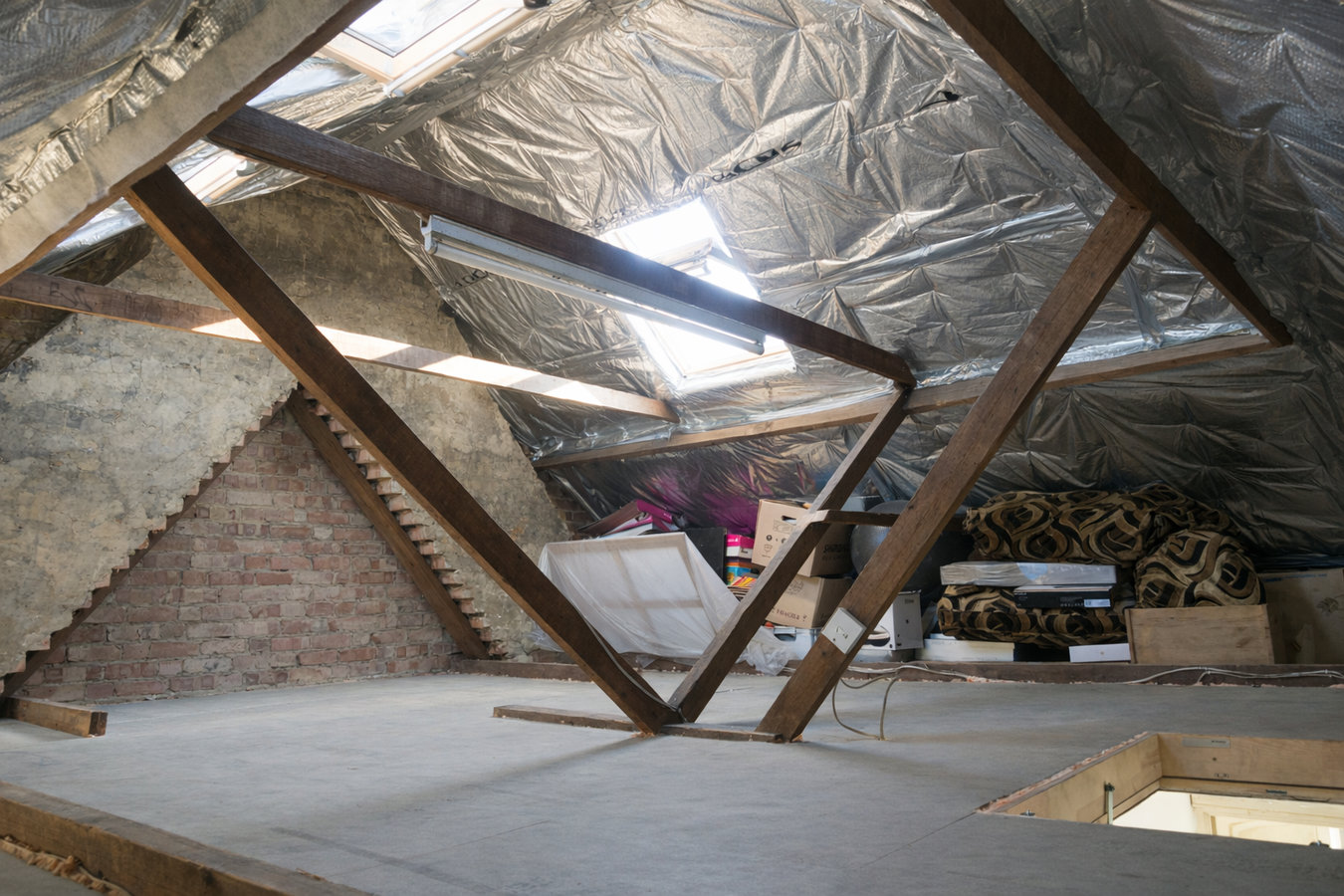
A significant share of Cedar Rapids homes were built before 1960, and the attic insulation in those homes has either settled, degraded, or was never deep enough to begin with. Bringing attic insulation up to the depth recommended for Iowa climate zone conditions is typically the single biggest improvement a Cedar Rapids homeowner can make to their heating and cooling costs - with results that show up on the bill within the first full season.
Cedar Rapids summers bring high humidity that works its way into crawl spaces, rim joists, and basement walls - and Cedar Rapids winters demand an air seal tight enough to handle below-zero wind chills. Closed-cell spray foam applied to these below-grade surfaces creates both insulation and a vapor barrier in one pass, addressing the two biggest seasonal threats at once and protecting the wood framing in homes that still have original construction.
Many Cedar Rapids homes - especially those built before the 2008 flood-era rebuilding - have crawl spaces or low basement areas that sit in clay-heavy soil that holds water after heavy spring rain. Insulating and sealing the crawl space keeps cold air from moving up through your floors in winter and reduces the moisture that accumulates in that space during the humid Cedar Rapids summer months, protecting both comfort and the structure above it.
For Cedar Rapids ranch homes and split-levels with an open attic that simply needs more depth, blown-in insulation is often the fastest and most cost-effective solution. The crew sets up outside, runs a hose into the attic, and fills the space to the recommended level without major disruption - typically completed in a few hours with no need to vacate the home. It is especially well-suited to the postwar neighborhoods on the northwest and southwest sides of the city.
Most Cedar Rapids single-family homes were built with full basements, and those basements are a common source of moisture intrusion - especially near the Cedar River where the 2008 flood left a lasting reminder of how water moves through this part of the city. Insulating basement perimeter walls on the interior creates a thermal and moisture buffer, keeping the space warmer and drier through the seasons most homeowners actually use it.
The pre-war brick homes near Czech Village and the older wood-frame houses in the Bever Park neighborhood have decades of settling behind them, with gaps around plumbing, electrical, and ceiling penetrations that insulation alone cannot seal. Air sealing those leaks before adding insulation is what makes the difference between a job that actually changes how the house feels and one that just adds material. The combination of air sealing and insulation consistently outperforms either one done alone.
Cedar Rapids is Iowa's second-largest city, and its housing stock reflects over a century of residential construction in different eras, with different materials and different priorities. Homes built before 1940 near the Cedar River and in neighborhoods like Czech Village and NewBo were constructed long before energy efficiency was a consideration - solid brick walls, plaster ceilings, and attics that were left uninsulated or minimally treated. Then the 2008 flood wiped out or heavily damaged hundreds of homes near the river, creating a patchwork where newly rebuilt structures sit next to untouched 80-year-old neighbors. A contractor working in Cedar Rapids needs to be comfortable with that range.
The climate adds its own demands. Cedar Rapids averages around 32 inches of snow annually, and the frost line reaches about 48 inches - deep enough to stress foundation walls and underground systems through every hard winter. Summer humidity is significant, with the Cedar River keeping moisture levels elevated and basements, crawl spaces, and attics all at risk for condensation and mold growth in homes without adequate insulation and vapor management. The August 2020 derecho also left lasting roof and structural damage across the city - some homes are only now catching up on deferred repairs that affect how well the building envelope performs.
Our crew works across Cedar Rapids and coordinates permits with the City of Cedar Rapids Development Services department for projects that require them. Cedar Rapids is divided into four quadrants by the Cedar River and a main north-south corridor, and the character of homes changes significantly between them. The SE quadrant - home to Kenwood Park, Bever Park, and the historic neighborhoods near Brucemore mansion - holds many of the city's oldest homes, with brick exteriors, original windows, and attics that have gone decades without attention. The NW and SW quadrants have more postwar ranch and split-level construction where accessible attics and full basements are the norm.
I-380 runs north to south through the city and is the main artery we use to move between job sites. The Czech Village and NewBo district near the river is one of the most recognized areas of the city, and many of the homes and commercial buildings there date to the early 1900s. Homeowners in that corridor often come to us specifically because they have an old home and want a contractor who has worked on similar properties before.
We also regularly serve homeowners in Bettendorf, IA and Dubuque, IA, which gives us regular experience with the full range of eastern Iowa housing - from the bluff neighborhoods of Dubuque to the river-area homes of Cedar Rapids.
We ask a few questions - your home's age, what area you want insulated, and what is prompting you to call. Cedar Rapids homes vary a lot by neighborhood and construction era, so knowing this upfront helps us prepare. We respond within 1 business day.
A technician visits your Cedar Rapids home and looks at the actual space - attic, crawl space, basement, or rim joists. They check what is already there, look for moisture or air leakage issues, and measure what is needed. You get a written estimate before any work is scheduled, and cost is addressed directly at this stage.
If your project requires a permit from the City of Cedar Rapids, we handle the application. We confirm your installation date, tell you what to clear from the work area, and let you know whether you need to be home. Most attic and crawl space jobs do not require you to vacate the home.
The crew completes the work and cleans up before leaving. For blown-in attic jobs, the space is ready to use immediately - no wait time. For spray foam in crawl spaces or basement areas, plan for at least 24 hours before re-entering the treated space. We walk you through what was done before we leave.
We serve homeowners across all four quadrants of Cedar Rapids - from older brick homes near Czech Village to ranch houses on the southwest side. Call or request a free estimate and we will respond within 1 business day.
(563) 206-5388Cedar Rapids is Iowa's second-largest city, with roughly 137,000 residents spread across about 72 square miles along the Cedar River in Linn County. The city is divided into four quadrants by the river and a main north-south corridor, and each quadrant has its own mix of housing ages and styles. The SE quadrant holds the city's most established neighborhoods, including Kenwood Park and Bever Park, where brick homes and mature tree canopies define streets that have changed little over the decades. The historic Brucemore mansion sits in this part of the city and is one of Cedar Rapids' most recognized landmarks. About 62 percent of Cedar Rapids housing units are owner-occupied, reflecting a city where residents tend to stay and invest in their properties over time.
The Czech Village and NewBo (New Bohemia) district near the Cedar River reflects the city's strong Czech immigrant heritage and is a well-known gathering spot for both residents and visitors. The 2008 Cedar River flood permanently reshaped several neighborhoods close to the water, and the rebuilding that followed created blocks where century-old homes sit next to structures built in the 2010s. Major employers including Collins Aerospace and Quaker Oats - whose processing plant has been part of the city for well over a century - provide a stable employment base that keeps long-term homeowners invested in the community. Further east along the Iowa corridor, Bettendorf, IA is another city we serve, and we work regularly with homeowners throughout eastern Iowa.
High-performance spray foam that seals and insulates in one step for maximum energy efficiency.
Learn moreKeep your home comfortable year-round with professional attic insulation installation.
Learn moreLoose-fill insulation blown into walls, attics, and cavities for complete, even coverage.
Learn moreWhole-home insulation solutions designed to reduce energy bills and improve comfort.
Learn moreSafe and thorough removal of old, damaged, or contaminated insulation from any area.
Learn moreInsulate your crawl space to prevent moisture, mold, and energy loss from below.
Learn moreRetrofit wall insulation improves thermal performance without major renovation.
Learn moreEliminate drafts and air leaks that undermine your insulation and raise energy costs.
Learn moreProperly insulated basements stay drier, warmer, and more energy-efficient all year.
Learn moreDense, rigid closed-cell foam delivers the highest R-value per inch and a vapor barrier.
Learn moreLightweight open-cell foam fills irregular cavities and provides excellent sound dampening.
Learn moreCommercial-grade insulation for offices, warehouses, and industrial facilities of any size.
Learn moreHeavy-duty vapor barriers block ground moisture and protect your crawl space structure.
Learn moreProfessional vapor barrier installation prevents condensation damage in walls and floors.
Learn moreSeal attic bypasses to stop conditioned air from escaping and unconditioned air from entering.
Learn moreAdd insulation to existing homes with minimal disruption using retrofit-friendly methods.
Learn moreCall us or send a message and we will respond within 1 business day. We work on homes across Cedar Rapids, from the historic SE neighborhoods to the newer subdivisions on the west side.