
Loading...
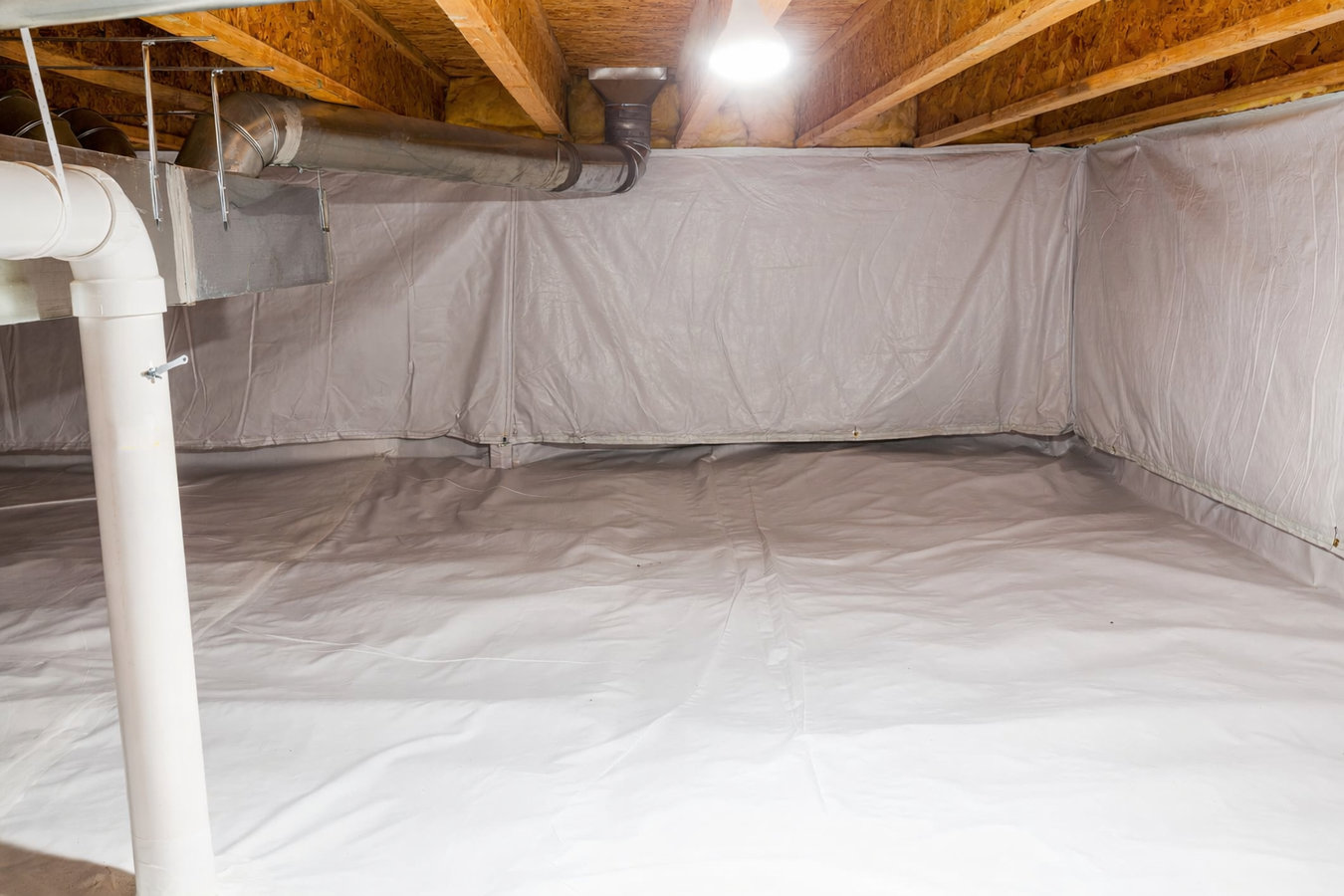
Cold floors and moisture problems start under your house. Proper crawl space insulation stops both - protecting your floors and your heating bill all winter long.
Crawl space insulation in Bettendorf acts as a thermal blanket between the cold ground and your living floors - most jobs on a standard home take one to two days and are complete before the first hard freeze of the season.
If you walk across your first floor in January and the floor feels cold through your socks, the problem is almost certainly coming from below. Bettendorf's winters regularly push temperatures below zero, and a crawl space without proper insulation lets that cold press up through the floor constantly - making your furnace work harder for rooms that never quite get comfortable. Many homes in Bettendorf's older neighborhoods near the river were built before modern energy codes existed, leaving crawl spaces with little or no protection at all.
Crawl space insulation is often paired with a crawl space vapor barrier to address both heat loss and moisture in one project - especially important for homes in the Quad Cities area where soil moisture is a real seasonal concern.
If your first-floor rooms feel noticeably cold through the floor even when the thermostat is set to a comfortable temperature, the insulation below is failing or missing. In Bettendorf winters, where temperatures can stay below freezing for weeks, an uninsulated crawl space lets cold air press up through the floor constantly - no matter how hard your furnace works.
If your gas or electric bills have climbed over the past few winters without any change in your habits, heat loss through the crawl space is one of the most common culprits. A significant portion of the heat your furnace produces can escape through an under-insulated floor before it ever warms your living space.
If you have looked into your crawl space and seen insulation that is drooping, dark, or falling away from the floor joists, it is no longer doing its job. Moisture from Bettendorf's soil - especially near the river corridor - can soak into older fiberglass batt insulation and cause it to collapse under its own weight over time.
A persistent musty or earthy odor in rooms on your first floor can signal that moisture is building up in the crawl space below. In Bettendorf, where spring flooding and high groundwater are real seasonal concerns, this smell is worth investigating rather than masking. Moisture in the crawl space eventually affects your floor joists, not just your air quality.
We install crawl space insulation using the approach that fits your home - floor insulation between the joists, rigid foam along the crawl space walls, or full encapsulation depending on your moisture situation and budget. Every job starts with a physical assessment of your specific crawl space. We check what is there now, look for moisture or standing water, and measure the square footage before giving you a written estimate. Air sealing around pipes, wires, and gaps happens before any insulation material goes in - skipping that step is how insulation fails early.
For homes with significant moisture problems, we often recommend combining crawl space insulation with wall insulation to address the full thermal envelope at once. The U.S. Department of Energy recommends moisture control as a prerequisite for crawl space insulation - especially in climate zones like Iowa's where the ground stays cold and damp for months at a time.
Best for homes with a vented crawl space where the goal is insulating the underside of the first floor efficiently.
Right for unvented or conditioned crawl spaces where insulating the perimeter walls makes more sense than the floor above.
The most thorough approach - walls, floor, and all gaps sealed - best for Bettendorf homes with consistent moisture from the river corridor soil.
For crawl spaces with standing water, wet insulation, or active leaks that need to be resolved before new insulation can go in.
Bettendorf borders the Mississippi River, and the surrounding soil holds moisture year-round. Crawl spaces in this area are especially prone to humidity buildup, condensation, and in some cases minor flooding during spring thaw or heavy rain events. Older homes in the established neighborhoods near the river - many built in the 1950s through 1970s before modern energy codes existed - often have little or no crawl space insulation, or have original insulation that has sagged, gotten wet, or simply worn out over decades. Bettendorf's Climate Zone 5 designation means your crawl space insulation needs to meet a higher standard than what would be adequate in a milder state. Cutting corners here shows up directly on your heating bill and in cold floors all winter long.
Homeowners in Muscatine and Clinton along the river face the same soil moisture challenges. Contractor availability in the Quad Cities area spikes sharply in November and December - scheduling your crawl space work in September or October typically means shorter wait times and more flexibility in choosing your crew before the cold hits.
We ask a few basic questions - your address, roughly how old your home is, and whether you have noticed cold floors or moisture. We respond within 1 business day and most Bettendorf homeowners can get an in-person visit scheduled within a few days to a week.
A contractor enters your crawl space to check existing insulation, look for signs of moisture or standing water, note how accessible the space is, and measure the square footage. This visit typically takes 30 to 60 minutes and results in a written estimate - no pricing over the phone without seeing the actual space.
Before any insulation goes in, the crew addresses moisture issues and seals gaps around pipes, wires, and other openings. In Bettendorf homes near the river corridor, this step is especially important - skipping it means new insulation will face the same moisture problems as the old material.
The crew removes old or damaged insulation, then installs the new material according to your written plan. Work happens entirely in the crawl space - your living areas are not disturbed. When the job is done, we show you photos from inside the space and confirm the access hatch is properly sealed before we leave.
We respond within 1 business day. No obligation after your estimate. We come out, assess your crawl space, and give you a written quote before any work starts.
(563) 206-5388Bettendorf's soil moisture conditions mean that addressing water and vapor before insulation is installed is not optional - it is what separates work that lasts from work that fails in two winters. We do not skip that step to save time or money on the estimate.
Iowa's climate zone requires more insulation depth and care than warmer states. We install to the standards recommended by the U.S. Department of Energy for this zone, which means your crawl space performs the way it should through genuine Bettendorf winters.
Most homeowners do not want to crawl in and check the work themselves. We show you photos of the finished space before we leave - so you can see exactly what was done and confirm that nothing was skipped or left incomplete.
When Bettendorf's building department requires a permit for your project, we pull it - you should not be the one navigating that process. Permitted work is reviewed and on record, which protects you at resale and keeps the job above board from start to finish.
Every crawl space job in Bettendorf gets a physical assessment before we quote, moisture work before we insulate, and photos before we leave. That is the standard we hold to on every job - not just the ones that are easy.
Address heat loss through exterior walls at the same time to tackle your home's full thermal envelope in one project.
Learn moreA vapor barrier installed on the crawl space floor controls ground moisture before it can damage insulation or floor joists.
Learn moreBettendorf winters do not wait - lock in your installation date before the cold arrives and the schedule fills up through November.