
Loading...
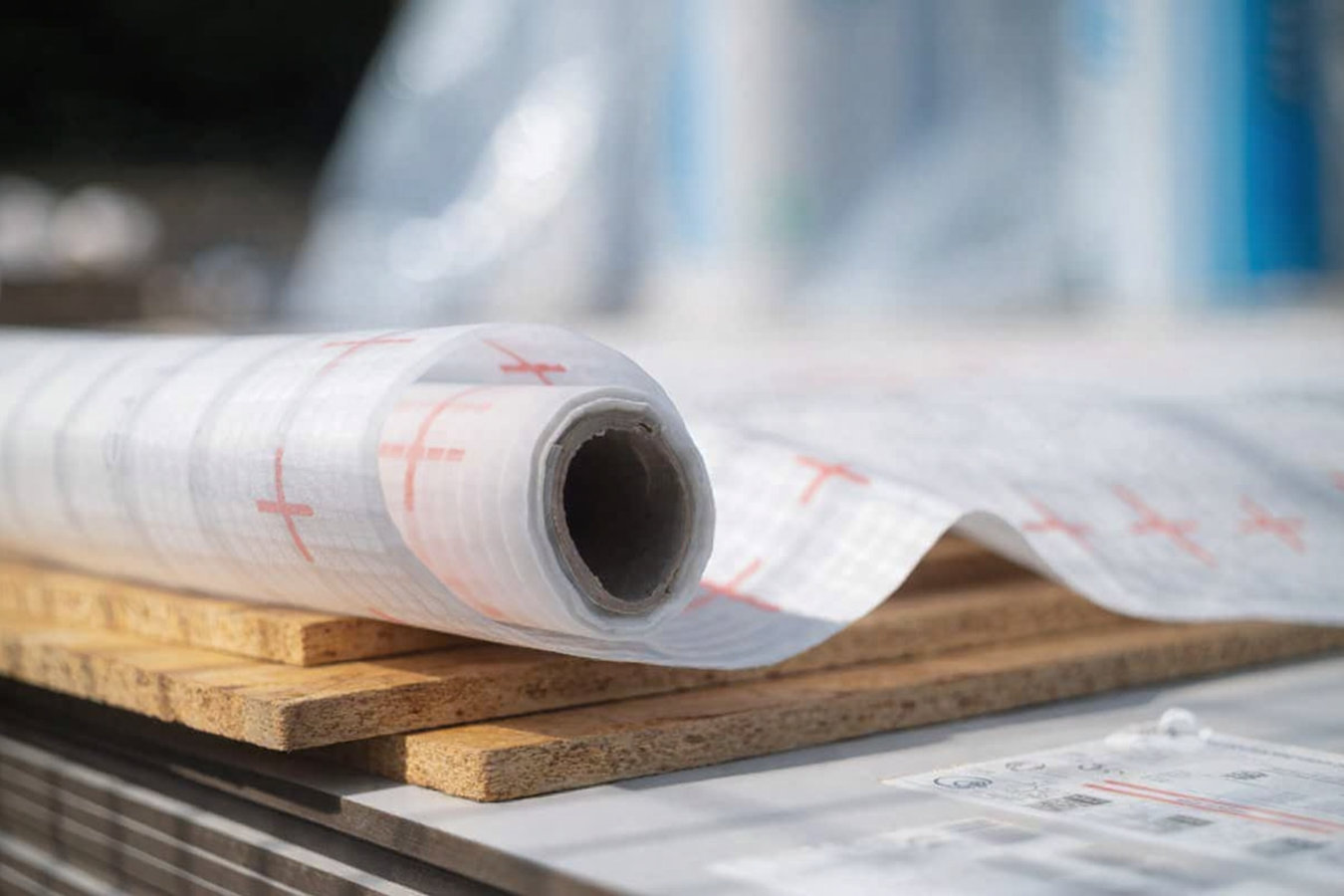
Ground moisture rising through your crawl space or basement damages wood, ruins insulation, and lowers the air quality in your home. Professional vapor barrier installation stops it for good.
Vapor barrier installation in Bettendorf covers the floor and walls of your crawl space or basement with sealed plastic sheeting to stop ground moisture from entering your home - most jobs are done in a single workday.
Bettendorf homeowners deal with real seasonal moisture pressure from two directions - Mississippi River proximity keeps the water table elevated, and Iowa's freeze-thaw cycles push ground moisture upward every spring. When that moisture has no barrier to stop it, it soaks into floor joists, degrades insulation, and works its way into the air your family breathes. A properly installed vapor barrier is the most direct way to cut off that pathway.
The details matter more than most homeowners realize. A barrier with unsealed seams or edges not fastened to the foundation walls loses most of its effectiveness. If you are also dealing with a crawl space that needs moisture protection alongside better thermal performance, combining vapor barrier work with attic air sealing addresses both ends of the home at once.
If you notice a damp, earthy odor near the floor, in first-floor closets, or in a finished basement - especially in March and April - that smell is almost always coming from moisture below. In Bettendorf, spring snowmelt and rising river levels raise the water table and push moisture up through unprotected crawl space soil. The smell is not just unpleasant; it is a sign that mold or mildew may already be growing somewhere you cannot see.
Walk slowly across your first floor and pay attention to any spots that feel softer than they should, or where the floor seems to flex slightly under your weight. This can mean the wood subfloor or the joists beneath it have absorbed enough moisture to begin softening. In older Bettendorf homes built before 1980, this kind of damage often traces back to years of uncontrolled crawl space moisture.
If you peek into your crawl space through an access hatch, look for water droplets on pipes or the underside of the floor, white chalky deposits on the foundation walls, or dark staining on wood above. Any of these is a clear sign that moisture is getting in and sitting there. You do not need to diagnose the source yourself - knowing it is there is enough reason to call a contractor.
If your gas or electric bills have crept up over the past few winters without a clear explanation, moisture in your crawl space may be the reason. Wet insulation under your floor loses most of its ability to keep heat in, which means your furnace runs longer to maintain the same temperature. This is one of those problems that costs you money every month until it is fixed.
We install heavy-duty polyethylene sheeting across crawl space floors and up foundation walls, with every seam overlapped by at least a foot and taped with purpose-rated tape so moisture cannot sneak through. The material we use meets or exceeds the 6-mil minimum recommended for the Midwest - and for homes in lower-lying Bettendorf neighborhoods near the river, we recommend 10-mil or heavier material that holds up under real seasonal conditions. Edges are fastened to the walls, not left lying on the ground where they lift and gap.
For homes where the crawl space or basement needs more than a basic ground barrier, we also handle full encapsulation and barrier replacement. Homeowners who want complete protection often pair vapor barrier work with a crawl space vapor barrier upgrade that includes wall coverage and, where needed, a dehumidifier. Every installation comes with a written estimate before work starts and a walkthrough when it is done.
For crawl spaces and basements that currently have no moisture barrier in place.
For older Bettendorf homes where the original sheeting has torn, degraded, or shifted out of position.
For homeowners who want coverage extended up the foundation walls for more complete moisture blocking.
For homes in flood-prone or low-lying areas where a sealed space needs active humidity management.
Bettendorf sits directly along the Mississippi River, and much of the city - especially neighborhoods closer to the riverfront and in lower-lying areas - sits above a water table that rises and falls with the seasons. When the water table is high in spring, moisture pushes up through the soil under your home with real force. Bettendorf winters are also genuinely cold, with the ground freezing and thawing repeatedly from November through March. That movement pushes moisture into crawl spaces and basements in ways milder climates never experience. Homeowners here often find that moisture problems get noticeably worse after a hard winter, which is why late winter and early spring are the busiest times for vapor barrier calls in this area.
Many of Bettendorf's neighborhoods west of Middle Road and closer to the river were built in the 1950s through 1970s, when crawl space moisture protection was minimal or nonexistent by today's standards. Homeowners in Rock Island and Davenport across the river face identical conditions. The U.S. Department of Energy recommends vapor barriers as a standard moisture control measure for crawl spaces in climate zones like ours.
We ask a few basic questions - the size of your home, whether you have a crawl space or basement, and whether you have noticed any specific problems. This helps us show up prepared. Most Bettendorf homeowners get a response within 1 business day and can schedule a visit within the same week.
A contractor physically inspects the crawl space - checking size, the condition of any existing moisture protection, the state of insulation and floor joists, and whether there is standing water or active drainage issues. You receive a written estimate that breaks down material and labor before any work is scheduled.
The crew cleans out debris, removes old or damaged material if present, then lays the new vapor barrier across the soil and up the foundation walls. Seams are overlapped and taped, and edges are fastened. For an average home, this takes most of a single workday. You do not need to leave your home.
Before the crew leaves, we walk you through what was done - showing photos if the crawl space is too tight to enter comfortably. There is no curing time; the barrier works immediately. We will also tell you what to watch for going forward and when it makes sense to have the space checked again.
We respond within 1 business day. No obligation after your estimate. Someone from our office will call to schedule a free on-site assessment at a time that works for you.
(563) 206-5388Every job starts with a written estimate that explains the material thickness, the coverage area, whether any prep work is needed, and the total cost. You know exactly what you are paying for before the crew arrives. We do not add charges after the fact for things we could have seen during the estimate visit.
The most common way vapor barrier installations fail is loose seams and edges that were never fastened to the foundation walls. We overlap every seam by at least a foot, tape them with purpose-rated tape, and fasten the edges to the walls before we leave. You can see every detail of that work in the finished installation.
We know exactly which vapor barrier projects require permits through the City of Bettendorf and we handle the paperwork when they do. Permitted work gets inspected and stays on record, which matters when you sell your home or make an insurance claim.
We work on homes all across Scott County and understand the soil conditions, water table patterns, and housing stock specific to Bettendorf and the surrounding Quad Cities. Homes near the river need heavier material and fully sealed edges - we factor that in from the start, not as an upsell after we arrive. The ENERGY STAR crawl space sealing guidelines inform our installation standards on every project.
A vapor barrier done right lasts 15 to 20 years and works every single season without any maintenance. We build every installation to that standard because a job that fails in five years because of loose seams was never really done right in the first place.
Seal the top of your home while protecting the bottom - attic air sealing stops heat loss and ice dams alongside your crawl space moisture work.
Learn moreUpgrade your crawl space with wall coverage and complete encapsulation for the most thorough moisture protection available.
Learn moreSpring moisture season arrives fast in the Quad Cities - lock in your installation date before the schedule fills up.